Moringa Research, Innovation and Future Development
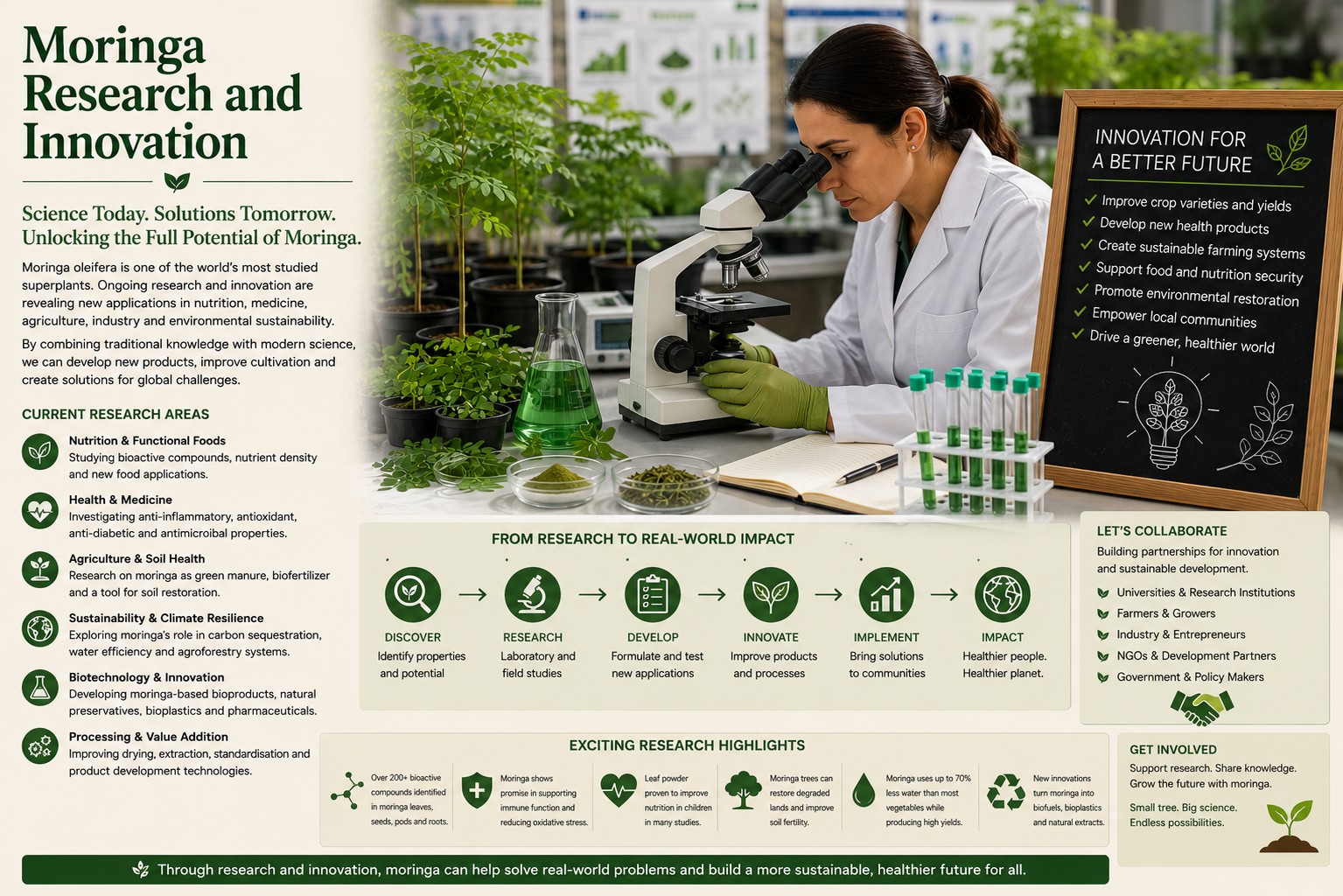
Long-term horticultural success depends on continual learning. MoringaTreesCyprus.com and the Kelokedara Moringa Project are intended to evolve through observation, measurement and the careful application of recognised horticultural knowledge. Rather than remaining static, the website will expand as new cultivation techniques, seasonal observations and practical experience are documented.
Moringa Research with a Practical Purpose
Our focus is applied horticulture. We aim to investigate propagation methods, nursery production, pruning systems, irrigation strategies, soil improvement, orchard design and harvesting practices under Mediterranean conditions. The objective is to provide information that growers can use in real gardens, nurseries and commercial enterprises.
Moringa Innovation Through Observation
Innovation often comes from carefully recording results over time. Seasonal growth, flowering periods, seed production, plant health and environmental conditions will all contribute to a growing body of knowledge. Observations from the Kelokedara Moringa Project will be clearly identified and presented alongside established horticultural guidance.
Sharing Moringa Knowledge
A core principle of the project is to share practical experience openly. As new trials are completed, articles will be updated to reflect lessons learned, helping gardeners, educators and commercial growers benefit from ongoing research rather than relying on outdated information.
Building a Mediterranean Moringa Reference Library
The long-term vision is to create one of Europe’s largest collections of practical resources dedicated to Mediterranean Moringa cultivation. Future publications will include cultivation manuals, field reports, propagation studies, nursery standards, seasonal diaries and educational materials supported by photographs, diagrams and practical demonstrations.
The Future of the Kelokedara Moringa Project
As the project matures, new demonstration orchards, propagation trials and nursery developments will provide additional opportunities for learning. The knowledge gained will strengthen all three complementary websites and help establish a trusted resource for Mediterranean Moringa cultivation.